1. Electrolysis (ionizers and generators)
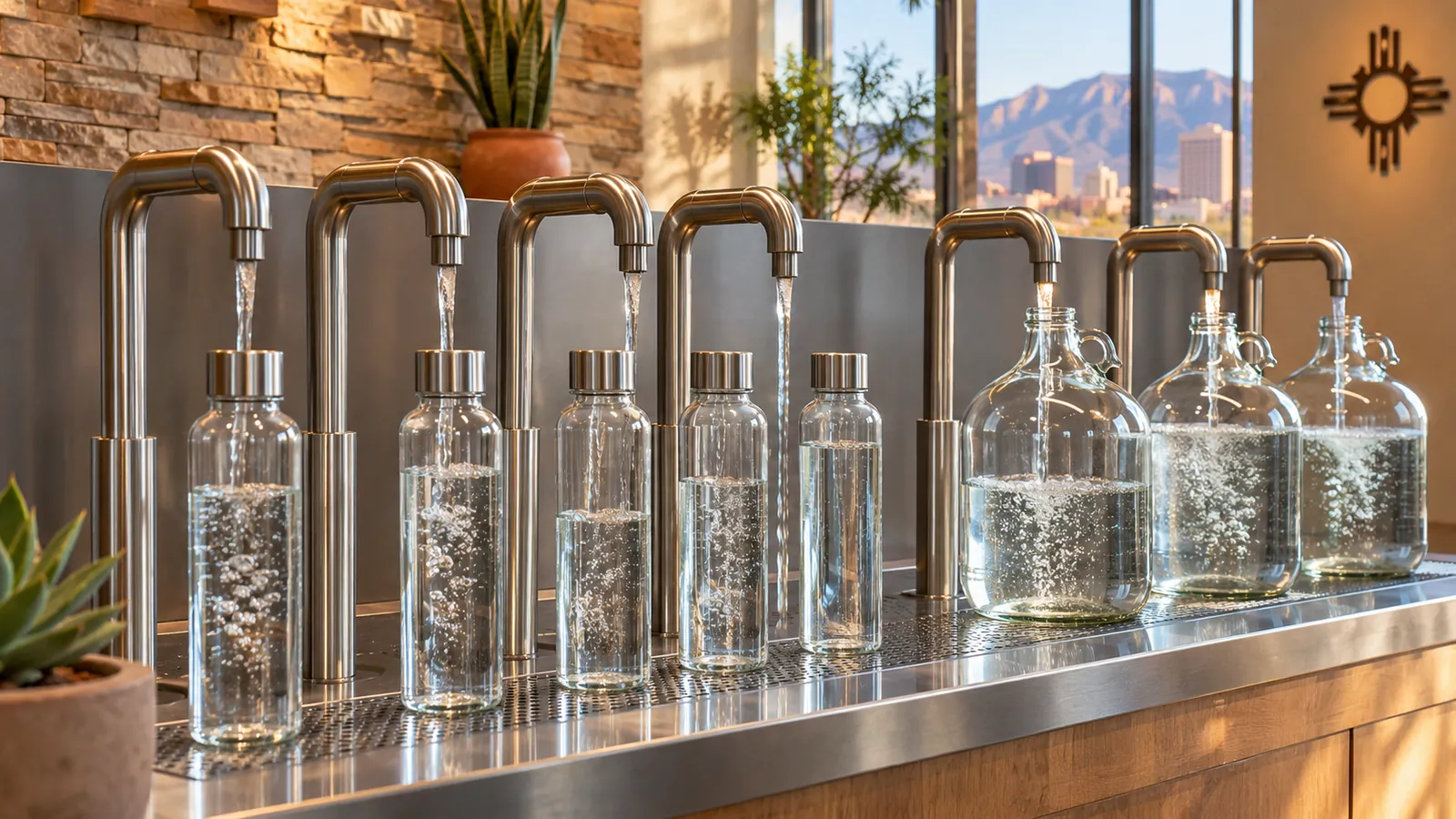
Electricity runs through water between metal plates. Water splits into hydrogen and oxygen, and the hydrogen dissolves into the water flowing past the negative plate. Countertop water ionizers — like the machines at Hydrobar — work this way and also raise the water's pH. Dedicated hydrogen generators focus on hydrogen and keep pH closer to neutral.
2. Magnesium tablets
Drop a tablet in water and the magnesium reacts with it, releasing hydrogen bubbles. In a sealed bottle, tablets can push hydrogen levels high. The water also picks up some magnesium.
3. Portable hydrogen bottles
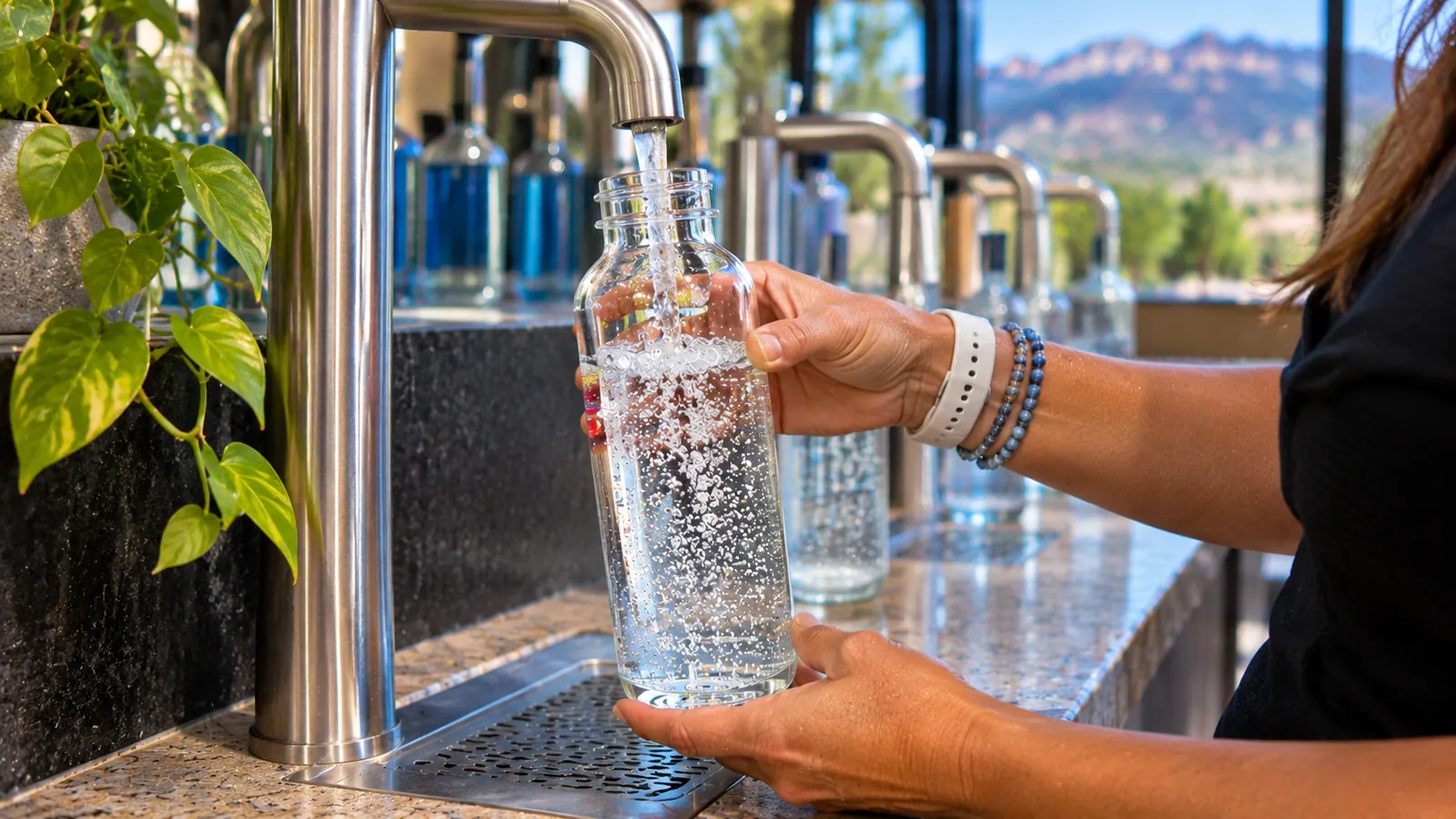
A small battery-powered electrolysis cell in the base makes hydrogen in a few minutes. Quality varies a lot. Better bottles use a membrane that keeps oxygen and other byproducts out of your drinking water.
4. Cans and pouches
Hydrogen is infused at a factory and the water is sealed in aluminum, which holds gas better than plastic. Levels depend on how well the package holds and how old it is.
Freshness is everything
Whatever the method, hydrogen starts escaping as soon as the water meets air. That's why made-fresh hydrogen water, drunk right away, is the simplest way to get what's in the glass. See how long hydrogen water lasts.
Try fresh hydrogen alkaline water in Albuquerque. Your first visit is free. Call (505) 498-4098 to claim it.
Common questions
Which method makes the most hydrogen?
It varies by product. Some tablets in sealed bottles reach high levels; ionizer output depends on the machine, settings, flow rate and your tap water. Testing is the only way to know.
Can I make hydrogen water at home without a machine?
Tablets are the simplest home option. Homemade methods like mixing metals in water are not safe or reliable.